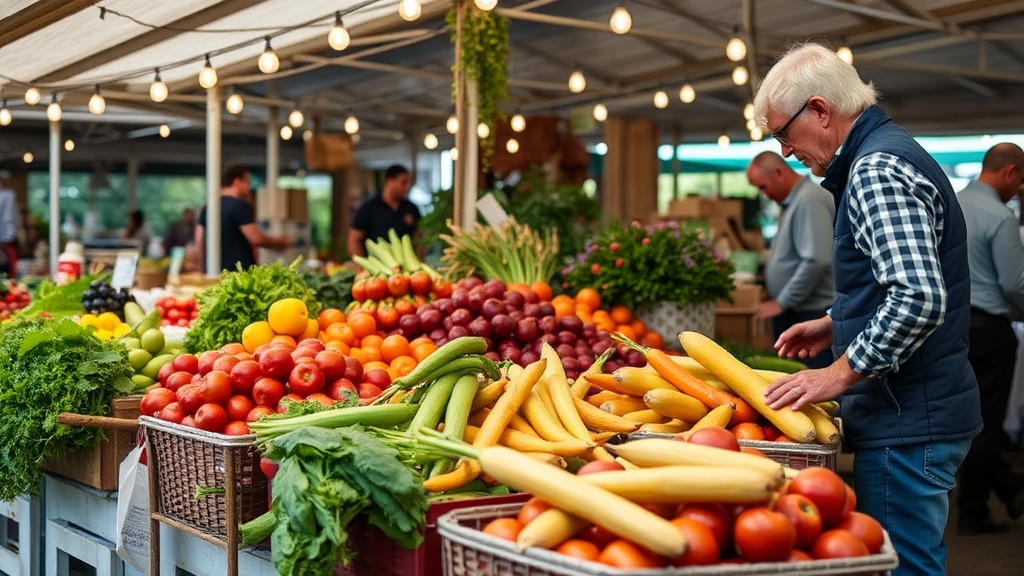
Picking the Best Local Produce at the Bathurst Farmers Market

In this guide, you'll learn how to identify the freshest seasonal produce, what to look for in specific Atlantic Canadian vegetables, and how to time your visits to the Bathurst Farmers Market for the best selection. Shopping local isn't just about supporting the community—it's about getting better flavor and higher nutrient density than what you'll find in a standard grocery aisle.
What Should You Look for in Seasonal Vegetables?
You should look for vibrant color, firm texture, and a lack of bruising or soft spots when selecting seasonal vegetables. In the Atlantic region, our growing season is relatively short, so the quality of what hits the stalls in July or August is a big deal. If a vegetable looks tired or wilted, it's likely been sitting out in the heat too long.
When you're browsing the stalls, keep these specific tips in mind for common local finds:
- Root Vegetables (Potatoes and Carrots): Look for skins that are tight and firm. If a potato has many "eyes" or sprouts, it's starting to age. You want something that feels heavy for its size.
- Leafy Greens: These are the most delicate. Look for bright, crisp leaves without any yellowing or slimy edges. If you see drooping greens, they haven't been kept cool enough.
- Alliums (Onions and Garlic): These should be hard to the touch. If an onion feels soft or "squishy," it's rotting from the inside.
- Squash and Pumpkins: These are the heavy hitters for our autumn seasons. Look for a matte finish rather than a shiny one, which can sometimes indicate old age.
Don't be afraid to pick things up. Most farmers expect you to handle the produce (unless there's a sign saying otherwise). A little bit of tactile inspection is the only way to be sure. It's a far cry from grabbing a plastic-wrapped bag at the supermarket.
If you're already out grabbing fresh ingredients, you might want to pair your haul with some local seafood. Check out my guide on finding the best fresh seafood in Bathurst to complete your weekly meal prep.
How Do I Know if the Produce is Truly Local?
The best way to ensure your produce is truly local is to look for vendor names or signs that specify the farm's location within New Brunswick or the surrounding Atlantic provinces. While many vendors are transparent, some might use generic terms. You want to see names of actual local farms or even just a "Grown in NB" sign.
A good rule of thumb is to ask the vendor directly. Most farmers at the market are more than happy to chat about their growing methods. They aren't just selling a product; they're selling their hard work. A farmer who can tell you exactly when their radishes were pulled from the ground is a farmer you can trust.
Sometimes, you'll see produce that is certified organic. While many local farmers use traditional methods, not all of them follow strict organic farming protocols. If organic certification is a requirement for your household, always ask if the produce is "certified organic" or simply "grown without synthetic pesticides." There is a significant difference in the labeling and the cost.
It's worth noting that local produce might not look "perfect." A carrot from a local farm might be slightly crooked or have a bit of dirt on it—that's actually a good sign! It means it hasn't been over-processed or heavily washed in a factory setting. It's real food.
When is the Best Time to Shop for Produce?
The best time to shop for the widest variety and the freshest stock is during the first two hours of the market opening. This is when the farmers have just finished setting up and the most recent harvests are being brought out from the trucks.
If you're looking for a deal, the strategy changes. If you arrive towards the end of the market session, you might find "end of season" discounts. Farmers would much rather sell their remaining stock at a lower price than pack it back up and drive it home. However, the risk is that the best-looking items have already been snapped up by the early birds.
| Time of Arrival | Primary Benefit | Primary Risk |
|---|---|---|
| Early (Opening) | Widest selection and freshest items. | Full prices; may miss out on deals. |
| Mid-Session | Good balance of selection and ease of movement. | Popular items may be sold out. |
| Late (Closing) | Best prices and clearance deals. | Limited variety; items may be bruised. |
I usually prefer going early. I'd rather pay full price for a perfect head of lettuce than try to hunt for a bargain that's half-wilted. It's a personal preference, but I find the energy of the market is much higher in the morning. Plus, the air is a bit crisper before the midday sun hits the stalls.
If you're planning a full day out in the area, you can check out how to spend a perfect day exploring Bathurst's waterfront and downtown to make a full outing of your market trip.
What Should I Bring to the Market?
You should bring reusable bags, a few sturdy crates, and some small denominations of cash to ensure a smooth shopping experience. While many vendors are starting to accept cards or digital payments, the market can be unpredictable. Relying solely on a phone or a card reader can be a headache if the signal is weak or the vendor's battery dies.
Here is a quick checklist of the essentials for a successful trip:
- Canvas Totes: Great for greens and lighter items.
- Hard Crates or Baskets: Essential for heavy items like potatoes or melons so they don't get crushed.
- Cash: Always have some small bills. Even if a vendor takes cards, sometimes the tech fails.
- A Cooler Bag: If you're buying things like berries or fresh cheeses, you'll want to keep them cool while you finish your shopping.
The weather in New Brunswick is famously fickle. Even if it looks sunny, bring a light jacket or a raincoat. You don't want to be stuck under a small tent if a sudden shower rolls in from the Bay of Chaleur. I've learned that the hard way more than once—it's a bit embarrassing to be running for cover while holding a bag of leaking strawberries.
Also, consider bringing a small notebook or a digital list. It's easy to get distracted by the smell of fresh baked goods or artisanal soaps and forget that you actually came for garlic and onions. Stick to your list, but leave a little room in your budget (and your bags) for the unexpected finds. The best part of the market is often the thing you didn't know you needed until you saw it sitting in the sunlight.
When you're done with your shopping, don't rush home. Grab a coffee or a snack nearby. The market is as much about the social connection as it is about the food. It's a way to see your neighbors and feel connected to the rhythm of the season.
Steps
- 1
Arrive Early for the Best Selection
- 2
Bring Reusable Bags for Sustainability
- 3
Ask Vendors About Seasonal Availability
- 4
Check for Local Artisan Specialties