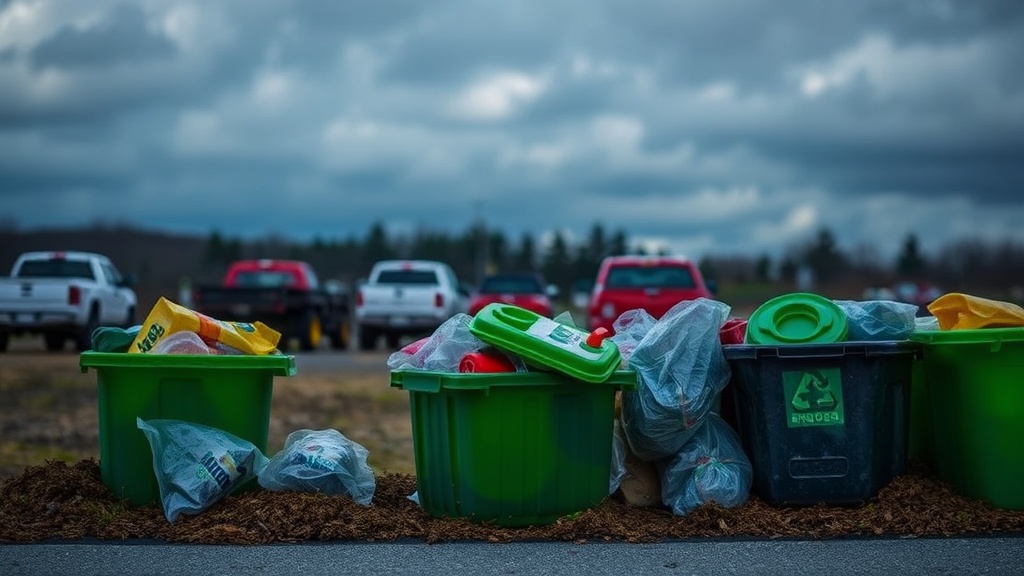
Sorting It Out: A Quick Guide to Bathurst's Recycling Program

What Should Go In Your Recycling Bin?
Understanding Bathurst's recycling program ensures you're contributing effectively to our community's environmental health and avoiding common pitfalls. This guide breaks down what goes where, how to prepare your recyclables, and where to turn for specific disposal needs.
Our local recycling efforts focus on common household items. Generally, you can place a variety of materials into your blue or clear recycling bag — but remember, they should be loose, not bagged together (unless it's shredded paper!). This includes all plastics numbered 1 through 7, like bottles, tubs, and containers. Paper and cardboard products such as newspapers, flyers, magazines, cereal boxes, and even egg cartons are also welcome. Don't forget metal items like tin and aluminum cans, clean aluminum foil, and even glass food and beverage jars. Milk and juice cartons (Tetra Paks) and clean Styrofoam — think meat trays and packaging blocks — are also accepted.
How Do You Prepare Recyclables for Collection?
Proper preparation is key to efficient recycling. For most containers, a quick rinse to remove food residue makes a big difference. Lids and labels can generally stay put. For cardboard, flatten it down to save space in your bin and help with collection. Shredded paper is the one exception to the 'loose' rule; it needs to be placed in a clear plastic bag to keep it contained. If you're ever unsure about a particular item, it's always better to err on the side of caution or consult the official guidelines to prevent contamination of the recycling stream. You can find more detailed information on